

The job interview landscape has shifted dramatically in 2026. Between the rise of remote work, the normalization of casual office culture, and a generation of hiring managers who grew up in hoodies, the old rules — navy suit, matching pumps, pearl earrings — no longer apply universally. But that doesn’t mean anything goes. Dressing for an interview in 2026 requires a more nuanced understanding of industry expectations, company culture, and how to signal professionalism without sacrificing personal style. This guide breaks down exactly what to wear for five common interview scenarios, with specific product recommendations at every price point.
The New Rules of Interview Dressing
Before we dive into specific outfits, let’s establish the updated ground rules. First, always research the company’s dress code — check their social media, website, and even Glassdoor reviews for clues. Second, it’s always better to be slightly overdressed than underdressed, but “overdressed” in 2026 looks different than it did in 2016. A well-fitted blazer and trousers is the new baseline, not a full suit. Third, fit is everything. A $40 blazer that fits perfectly will always look better than a $400 one that doesn’t. And finally, grooming and accessories matter more than brand names — clean shoes, polished nails, and minimal jewelry speak volumes.
1. Corporate Interview: Finance, Law, Consulting
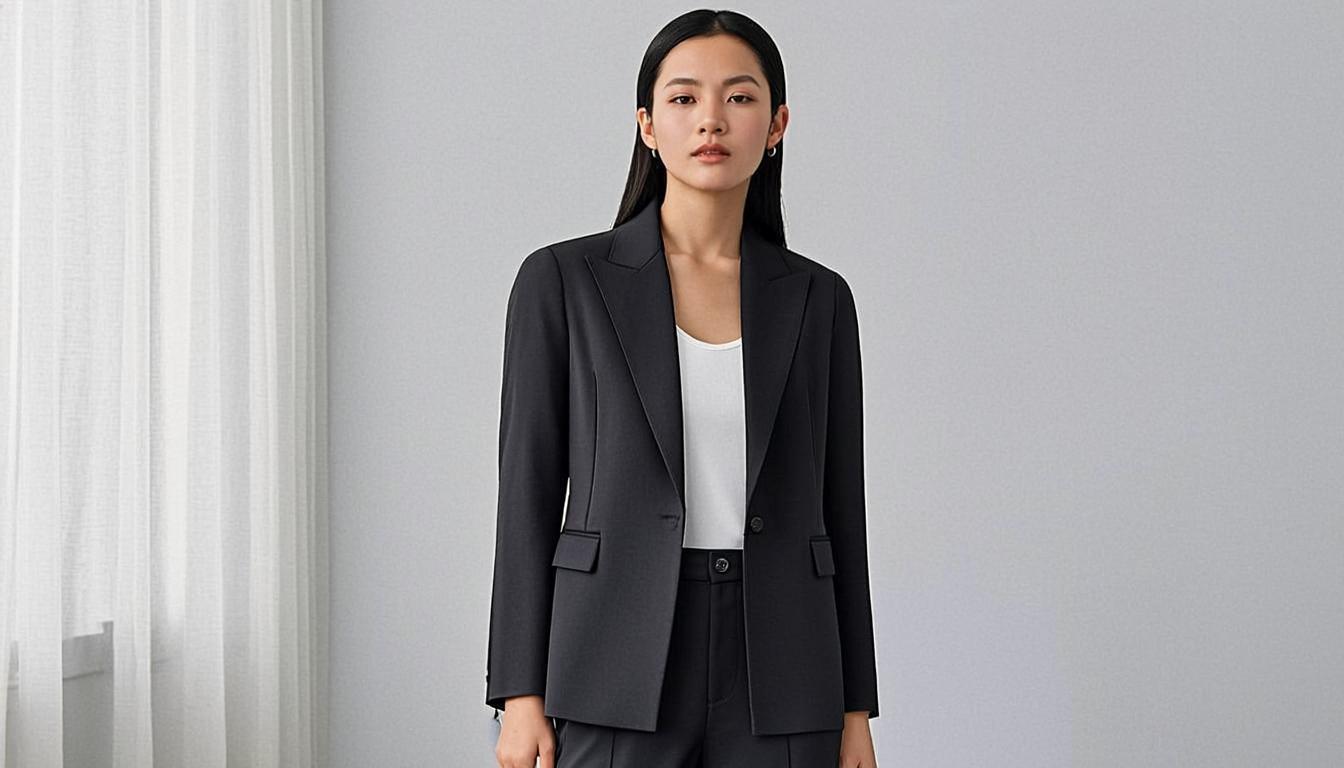
Corporate environments still expect the most traditional approach, but even here, the full matching suit is becoming optional. The modern corporate interview outfit is a tailored blazer paired with well-fitted trousers in a complementary (not necessarily matching) color. Think a navy blazer with charcoal trousers, or a black blazer with medium-gray pants. The key word is tailored — nothing should be too tight or too loose.
Under the blazer, a silk or high-quality synthetic blouse in a neutral or soft color is your safest bet. Avoid anything too trendy — save the cutouts and asymmetrical hems for after you get the job. Shoes should be closed-toe with a modest heel (2-3 inches) or a polished flat. Loafers have become acceptable in corporate settings, provided they’re in good condition and paired with the right outfit. Keep jewelry minimal: small studs, a simple watch, and perhaps one delicate necklace.
The Formula: Blazer + Silk Blouse + Tailored Trousers + Closed-Toe Heels
- Nordstrom — Tailored Navy Blazer — Investment piece from $120
- Amazon — Silk-Look Blouse for Interviews — Budget-friendly at $28
- Nordstrom — Theory Tailored Trousers — Premium option at $295
- Amazon — Classic Closed-Toe Pumps — From $45
2. Creative Interview: Fashion, Media, Advertising
Creative industries expect you to demonstrate personal style while still looking professional. This is where you can — and should — take calculated risks. A colored blazer, interesting textures, or a statement accessory can actually work in your favor by showing you understand visual communication. The biggest mistake people make in creative interviews is playing it too safe. If you show up in a generic black suit to a fashion company, it signals that you don’t understand the culture.
Try an oversized blazer in an unexpected color like sage green or dusty rose, paired with high-waisted wide-leg trousers. Or a midi skirt with an interesting print, paired with a simple knit top and architectural jewelry. The outfit should feel cohesive and intentional, not thrown together. Pay attention to details — interesting buttons, quality fabrics, and thoughtful color coordination all demonstrate the creative eye that these roles demand. Shoes can be more expressive too: sculptural heels, colored flats, or even fashion sneakers if the culture leans very casual.
The Formula: Statement Blazer + Wide-Leg Trousers + Architectural Accessories
- Nordstrom — Colored Oversized Blazer — Standout piece from $148
- Amazon — Wide-Leg Palazzo Trousers — Under $38
- Amazon — Architectural Gold Earrings — Statement accessory at $22
3. Startup Interview: Tech, SaaS, Innovation
Startup culture is the trickiest to dress for because expectations vary wildly from company to company. A fintech startup might expect something closer to business casual, while a consumer app startup might view anything beyond jeans and a nice top as “trying too hard.” The sweet spot for most startup interviews in 2026 is elevated casual — think of it as what you’d wear to a nice dinner, not what you’d wear to lounge at home.
A foolproof startup interview outfit is dark-wash straight-leg jeans (no distressing), a polished top like a fine-knit sweater or a crisp button-down, and clean white sneakers or Chelsea boots. You can add an unstructured blazer if you want to feel more pulled together, but it’s not required. The unspoken rule in startups is authenticity — dress like the best version of how you’d actually show up to work. Avoid anything too corporate-feeling, as it can create an immediate cultural disconnect.
The Formula: Dark Jeans + Polished Knit + Clean Sneakers + Optional Unstructured Blazer
- Amazon — Dark-Wash Straight-Leg Jeans — Clean and professional at $42
- Nordstrom — Merino Fine-Knit Sweater — Elevated basic at $89
- Amazon — Minimalist White Sneakers — Crisp and clean at $55
4. Remote Interview: Virtual-First Companies
Remote interviews present a unique challenge: you only need to look professional from the waist up, but you should still dress completely. Wearing sweatpants with a blazer might feel clever until you need to stand up mid-call. The other consideration specific to video interviews is how your outfit reads on camera. Solid colors work best — busy patterns can create moiré effects, and bright whites can blow out on camera.
For remote interviews, focus on what the camera sees. A well-fitted top in a medium-tone color (navy, forest green, burgundy, or soft gray) is ideal. If you wear a blazer, choose one with some texture or subtle pattern to add visual interest on screen. Pay extra attention to your background and lighting — these matter as much as your outfit in a virtual setting. Natural light from in front of you (not behind) is always the most flattering. Test your outfit on camera before the interview to make sure it reads the way you intend.
The Formula: Camera-Friendly Top + Subtle Texture + Good Lighting
- Amazon — Video-Interview-Ready Blouse — Camera-tested colors at $32
- Nordstrom — Textured Knit Blazer — Perfect for screen at $135
5. Casual Interview: Retail, Hospitality, Education
Casual interview settings still require effort — “casual” doesn’t mean careless. The goal is to look put-together and respectful of the opportunity while fitting the environment. Clean, well-fitting basics in good condition are your foundation. Avoid anything wrinkled, stained, or overly worn, even if the dress code is truly casual. These small details communicate respect and attention to detail.
A great casual interview outfit is a pair of well-fitting chinos or dark jeans with a tucked-in button-down or a polished knit top. Add a belt, clean shoes (loafers, flats, or fashion sneakers), and simple accessories. If you’re interviewing for a customer-facing role, keep in mind that your interview outfit gives them a preview of how you’d represent their brand. When in doubt, lean slightly more polished than what the current employees are wearing — it shows you take the opportunity seriously.
The Formula: Chinos or Dark Jeans + Tucked Button-Down + Belt + Clean Loafers
- Amazon — Straight-Leg Chinos — Versatile and polished at $34
- Nordstrom — Crisp White Button-Down — A classic at $65
- Amazon — Leather Loafers — Polished and comfortable at $48
Universal Interview Accessories
Regardless of industry, certain accessories work across all interview settings. A structured tote or portfolio bag in leather or vegan leather holds your resume, notebook, and pen while looking professional. A simple watch signals punctuality and organization. Small stud earrings and a delicate necklace add polish without distraction. And always, always make sure your shoes are clean — scuffed shoes can undermine an otherwise perfect outfit.
The most important thing you can wear to any interview in 2026 is confidence. When you feel good in what you’re wearing, it shows in your posture, your voice, and your energy. Take the time to plan your outfit, try it on before the interview day, and make sure everything fits and feels right. Preparation eliminates one more source of anxiety, leaving you free to focus on what matters most: showing them why you’re the perfect candidate for the job.
Disclosure: This post contains affiliate links. If you purchase through these links, we may earn a small commission at no extra cost to you. We only recommend products we genuinely love.