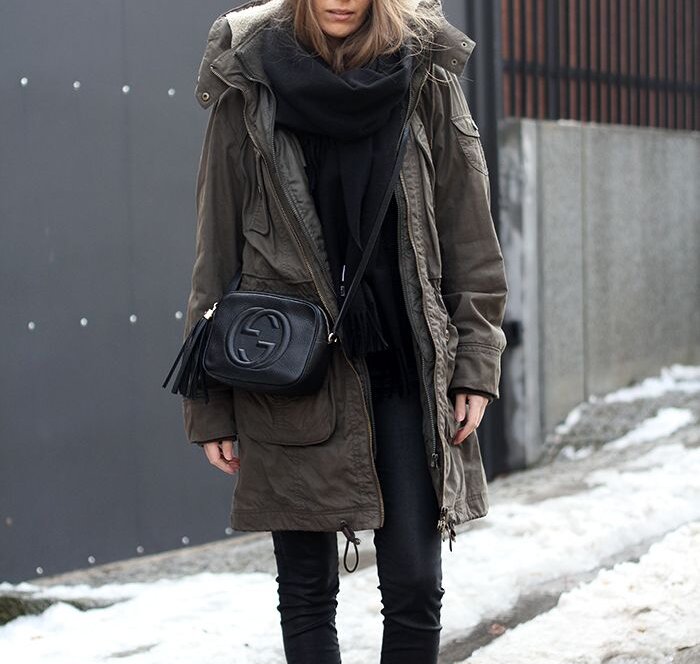


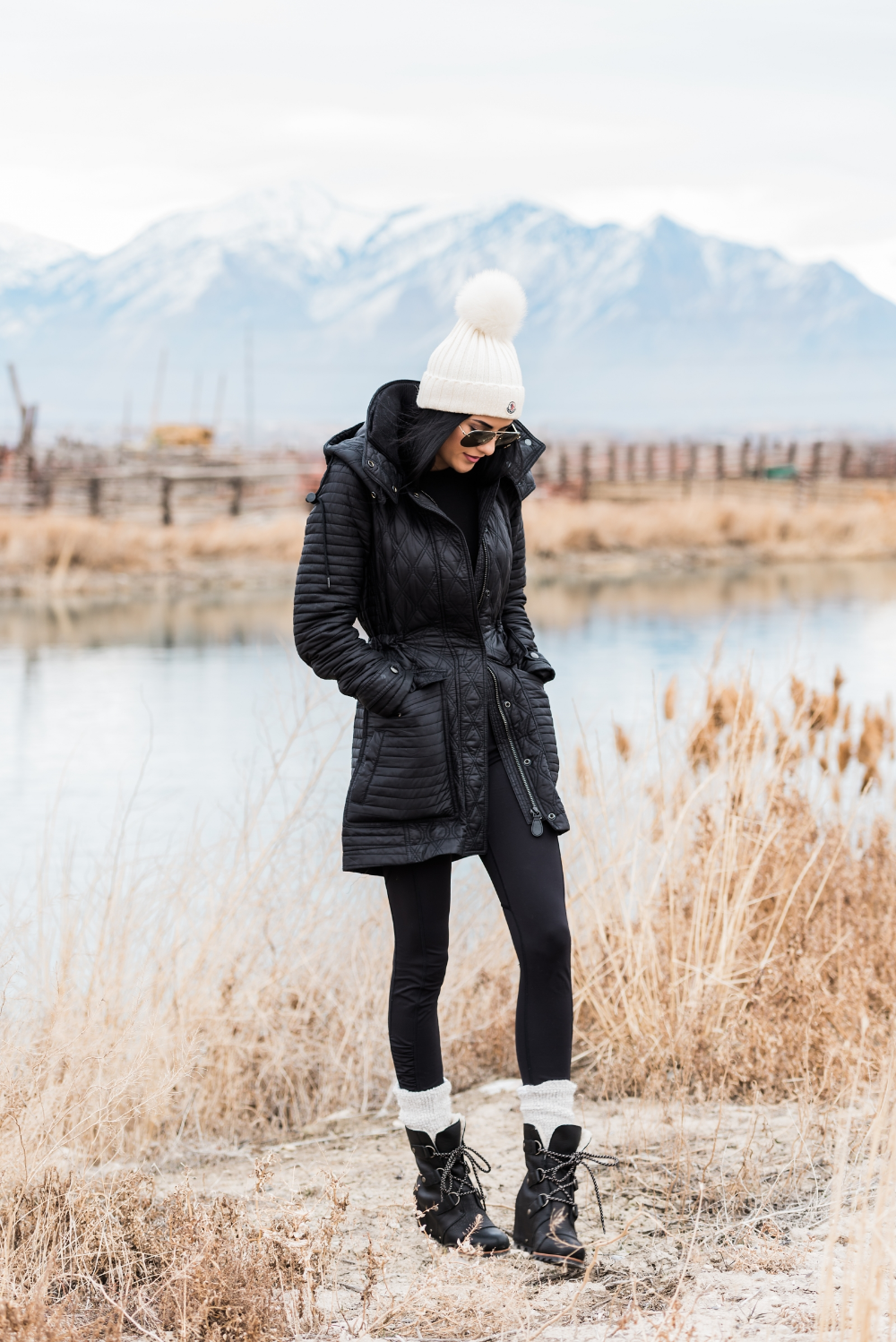
We need to talk about the glow-up of the century. Sorel boots — those chunky, practical, waterproof boots your mom bought you every winter — have become fashion-girl essentials. Scroll through any cold-weather street style roundup from Toronto, New York, or Copenhagen, and there they are: styled with wool coats, cashmere sweaters, and worn by women who would have previously rather frozen in designer booties than be caught in “snow boots.”
So how did this happen? How did Sorel go from the brand you associated with your dad’s ice-fishing trips to the brand that fashion editors are genuinely excited about? We’re breaking it all down — the styles worth buying, the ones to skip, how to actually style them so you look like you meant it, and why Sorel might just be the smartest winter footwear investment you’ll ever make.
The Sorel Rebrand: From Practical to Covetable
Here’s the thing about Sorel: they’ve been making incredible winter boots since 1962, founded in Kitchener, Ontario. Their boots were built for real Canadian cold, real snow, real ice. The problem? For a long time, they looked like it.
The old Sorel aesthetic was function-first: heavy rubber shells, thick felt liners, color combos that screamed “I prioritize warmth over everything.” Fine for ice fishing, not fine for getting to work on a Tuesday without looking like you’re headed on an expedition.
Then something shifted. Sorel started collaborating with designers. They refined their silhouettes. They introduced sleeker profiles, more sophisticated color palettes, and unexpected details — leather accents, wedge soles, streamlined lacing systems. They didn’t abandon their performance heritage; they just made it look good. And the fashion world noticed.
The turning point was the Joan of Arctic boot — a knee-high lace-up with a fur-trimmed collar that looked chic with jeans and dresses. The first Sorel boot that made women think, “Wait, I could wear these somewhere other than the ski hill.”
Why Fashion Girls Love Sorel Now
It comes down to three things: authenticity, versatility, and the current fashion landscape.
Authenticity: In an era of quiet luxury, there’s something refreshing about a brand that does what it says. Sorels are genuinely warm, waterproof, and built for harsh winters. Not fashion boots pretending to be winter boots — winter boots that happen to look great.
Versatility: The new Sorel generation works with everything — tailored trousers, midi skirts and tights, the Canadiana look (see here), and streetwear. There’s a Sorel for every aesthetic.
The fashion landscape: We’re in the era of gorpcore — the trend that made outdoor gear fashionable. The North Face puffers and Salomon sneakers that dominate street style paved the way for Sorel. When fashion decided performance gear was cool, Sorel was ready.
The Sorel Styles That Actually Look Good (And Which Ones to Skip)
Not every Sorel boot is created equal. Some are genuine style triumphs; others still look like they belong on a snowmobile. Here’s our honest breakdown.
The Must-Haves
Sorel Caribou ($210) — The OG. The classic. The boot that started it all. The Caribou is Sorel’s original 1962 design, and it’s still one of their best. The seam-sealed waterproof construction and 9mm washable felt liner mean these are genuinely warm to -40°C (yes, really), while the handcrafted waterproof leather upper and rubber shell give them a heritage look that’s only gotten more appealing with age. Style these with straight-leg jeans tucked in, a chunky knit, and a wool coat for the classic cold-weather look that never fails.
Sorel Joan of Arctic ($230) — The boot that changed everything. The Joan of Arctic is the tall, lace-up silhouette with the faux-fur collar that made Sorel fashionable. It’s warm, it’s waterproof, and it has this amazing ability to look equally good with skinny jeans and a parka or with a midi skirt and tights. The height is the selling point — it hits just below the knee, which means no snow getting in the top, and the proportions work with almost everything.
Sorel Kinetic Lace ($170) — The cool-girl pick. If the Caribou is the heritage choice and the Joan of Arctic is the elegant choice, the Kinetic Lace is the one that fashion-forward women reach for. It has a sneaker-like profile with a chunky platform sole, which means it reads as more “streetwear” than “snow boot.” Perfect for city winters where you’re walking on cleared sidewalks more than trudging through drifts. Pair with wide-leg trousers and a puffer vest for that effortless, modern look.
Sorel Out ‘N About Plus ($180) — The Chelsea boot of winter footwear. Slip-on, sleek, and surprisingly warm. These are the boots you grab when you’re running out the door and don’t want to deal with laces. The low profile means they work with everything from jeans to dresses, and the waterproof construction means you don’t have to worry about puddles.
Sorel Whitney Short Lace ($200) — The under-the-radar pick that keeps selling out. A shorter, more refined take on the Joan of Arctic, with a polished leather upper and a manageable height that works for driving and commuting. These look incredible with cropped pants and wool socks peeking out the top.
The Ones to Skip (Or at Least Think Twice About)
Sorel Explorer — We want to love these, and some women do pull them off. But the chunky, almost sneaker-boot silhouette can read as clunky rather than cool, especially if you’re not pairing them with the right outfit. If you love the look, go for it — but the Kinetic Lace does the same thing more elegantly.
Any Sorel with a wedge heel — Sorel has made several wedge-heeled winter boots over the years, and we understand the appeal in theory. In practice, though, a wedge on an icy sidewalk is a recipe for disaster, and the “dressy winter boot” look never quite works as well as just wearing actual boots and changing shoes when you arrive. Skip these.
How Fashion Girls in Cold Cities Are Styling Sorel Boots
This is where it gets fun. Because Sorel boots are no longer just functional — they’re a styling element. Here are the outfit formulas we’re seeing on the most stylish women in the coldest cities.
Outfit Formula #1: The Toronto Commute
Straight-leg jeans tucked into Sorel Caribous. A chunky ribbed turtleneck in cream or oatmeal. A long wool coat in camel or charcoal. A cashmere scarf loosely draped. This is the look that says “I take the TTC and I look good doing it.” The jeans-in-boots styling is key — it creates a clean, streamlined line from knee to toe that balances the bulk of the boot. Tuck those jeans all the way in, no bunching.
Outfit Formula #2: The Nordic Dress
This one’s for the brave, and it’s the look that made Sorel fashionable in the first place. A midi or maxi sweater dress in a thick knit. Opaque tights. Sorel Joan of Arctic boots. A long wool coat or puffer over the top. The contrast between the feminine dress and the rugged boots is what makes this work — it’s unexpected, it’s practical, and it looks incredible. Add a beanie and you’ve got the perfect winter weekend outfit.
Outfit Formula #3: The Streetwear Edit
Sorel Kinetic Lace boots with wide-leg cargo pants, a cropped hoodie, and an oversized puffer. This is the gorpcore-meets-streetwear look that’s dominating Instagram right now. The Kinetic’s sneaker-like profile means it reads as streetwear rather than “I’m going skiing,” and the chunky sole adds height without the discomfort of heels. Add a crossbody bag and sunglasses for maximum cool-factor.
Outfit Formula #4: The Weekend Casual
The Sorel Out ‘N About Plus with leggings, an oversized flannel (Canadiana vibes — see our full breakdown here), and a puffer vest. This is the “I’m going to the farmer’s market and then the café and I need to be warm and cute” outfit. The slip-on boots make it easy, the leggings keep it streamlined, and the flannel adds that cozy, lived-in warmth that makes winter dressing feel less like a chore.
The Best Sorel Boot for Every Winter Need
Not sure which Sorel is right for you? Here’s our cheat sheet based on what you actually need them for:
For City Walking (Cleared Sidewalks, Slush, Light Snow)
Get the Kinetic Lace ($170) or the Out ‘N About Plus ($180). Both are sleek enough for urban environments, warm enough for typical city winters, and won’t make you look like you’re dressed for an expedition when you’re just going to the office.
For Deep Snow (Shoveling, Snowbanks, Serious Storms)
Get the Caribou ($210) or the Joan of Arctic ($230). These are the heavy hitters. The Caribou’s felt liner and seam-sealed construction handle anything, and the Joan of Arctic’s height means snow can’t get in the top. These are the boots you want when the city hasn’t plowed your street yet and you still need to get to work.
For Casual Weekends (Errands, Coffee Runs, Dog Walking)
Get the Whitney Short Lace ($200) or the Out ‘N About Plus ($180). Easy on, easy off, stylish without trying too hard. These are the boots you’ll reach for every single weekend from November through March.
For the Car (Driving in Winter)
Get the Out ‘N About Plus ($180) or any Sorel Chelsea-style boot. Bulky lace-up boots are dangerous for driving — they can catch on pedals and reduce your feel for the car. A sleeker, lower-profile boot is safer and more comfortable behind the wheel. (Then keep your heavy-duty boots in the trunk for when you arrive.)
Sorel vs. The Competition: How They Stack Up
Sorel isn’t the only winter boot brand out there, and we’d be doing you a disservice if we didn’t acknowledge the competition. Here’s how Sorel compares to the other major players:
Sorel vs. Blundstone
Blundstone makes incredible Chelsea boots, and their Thermal line is genuinely warm. But Blundstones top out at around -10°C comfort, while Sorels can handle -40°C. If you’re in a mild winter climate, Blundstone is the sleeker choice. If you’re dealing with real Canadian cold, Sorel wins. Price is comparable — both hover around $170-$230 for their core styles.
Sorel vs. UGG
UGG has made a genuine comeback with their Ultra Mini and Tasman styles, and they’re undeniably cozy. But UGGs are not waterproof (despite some treated models), and they don’t handle slush or ice well. Sorel is the practical choice for actual winter weather; UGG is the cozy choice for dry, cold days. We’d argue you need both — UGGs for the apartment-to-car commute, Sorels for everything else.
Sorel vs. Canada Goose Footwear
Canada Goose recently launched their own footwear line, and it’s impressive — but expensive. Their boots start at around $500 and go up from there. Are they warmer than Sorel? Marginally. Are they five times better looking? No. Sorel gives you 90% of the performance at 40% of the price, and honestly, that’s the better deal for most women.
Sorel vs. Timberland
Timberland’s classic boots are iconic, but they’re fashion boots first and winter boots second. The waterproofing isn’t as robust, the insulation isn’t as serious, and the traction on ice isn’t as reliable. If you want the Timberland look, get Timberlands. If you want boots that will actually keep your feet warm and dry in February, get Sorels.
Caring for Your Sorel Boots (So They Last for Years)
Sorel boots are an investment, and with proper care, they’ll last you for years — we’re talking 5-7 seasons minimum. Here’s how to keep them looking and performing their best:
- Clean them regularly. After each wear in salt or slush, wipe your boots down with a damp cloth. Salt is the enemy of leather — it dries it out, causes cracking, and leaves ugly white stains. A quick wipe-down takes 30 seconds and saves you from premature replacement.
- Condition the leather. If your Sorels have leather uppers (Caribou, Joan of Arctic, Whitney), treat them with leather conditioner twice a season — once before the first wear, once mid-winter. This keeps the leather supple and prevents the cracking that ruins waterproofing.
- Remove and wash the felt liners. The removable felt liners in styles like the Caribou are machine washable. Wash them once or twice per season to keep them fresh and maintain their insulating properties. This alone can extend the life of your boots by years.
- Store them properly. At the end of winter, remove the liners, stuff the boots with newspaper to absorb moisture and maintain shape, and store them in a cool, dry place. Do not store them near a heat source — that damages both the leather and the rubber.
- Re-waterproof annually. Even the most waterproof boots benefit from a fresh coat of waterproofing spray at the start of each season. Nikwax Fabric and Leather Proof ($16) is our go-to — it’s easy to apply and genuinely effective.
The Bottom Line: Why Sorel Belongs in Your Winter Wardrobe
We’ll say something controversial: Sorel boots are the smartest winter footwear purchase you can make. Not the most exciting, not the most luxurious, but the smartest. You’ll wear them five months a year in the worst conditions, and they need to keep your feet warm, dry, and looking good. Sorel does all three at a price that doesn’t require a payment plan.
The fashion world has finally caught on to what Canadian women have known for decades: Sorel boots are the real deal. The difference now is that you don’t have to sacrifice style to wear them. From the heritage Caribou to the streetwear-ready Kinetic Lace, there’s a Sorel boot for every aesthetic and every winter scenario.
So this winter, instead of ruining another pair of nice boots in the slush, do yourself a favor: invest in Sorels. Your feet will be warm, your outfits will be intact, and you’ll wonder why you didn’t do it sooner. We certainly did.
Shop our complete Sorel edit here — because cold feet are never in style, but these boots absolutely are.